The Living Culinary Geography of San Sebastián
Dispatched on December 18, 2024 • By Culinary Editor for 111111
Between the rugged emerald hills of the Basque Country and the cantabrian tides of the Bay of Biscay lies San Sebastián—a city whose pulse is measured not in hours, but in seasonal ingredients harvested from the wild Atlantic.
1. The Primacy of the Charcoal Grill
In nearby fishing villages like Getaria, turbot is placed whole inside steel wire cages and suspended over hot lump charcoal. No heavy sauces or unnecessary flourishes are applied; only a light emulsion of local txakoli wine, garlic, and cold-pressed olive oil. It is a cooking philosophy founded entirely on revering the pristine freshness of the day's catch.
"True culinary greatness in the Basque Country does not hide behind complexity. It celebrates the singular flavor of a line-caught fish kissed by ocean wind and olive wood fire."
2. The Art of the Evening Txikiteo
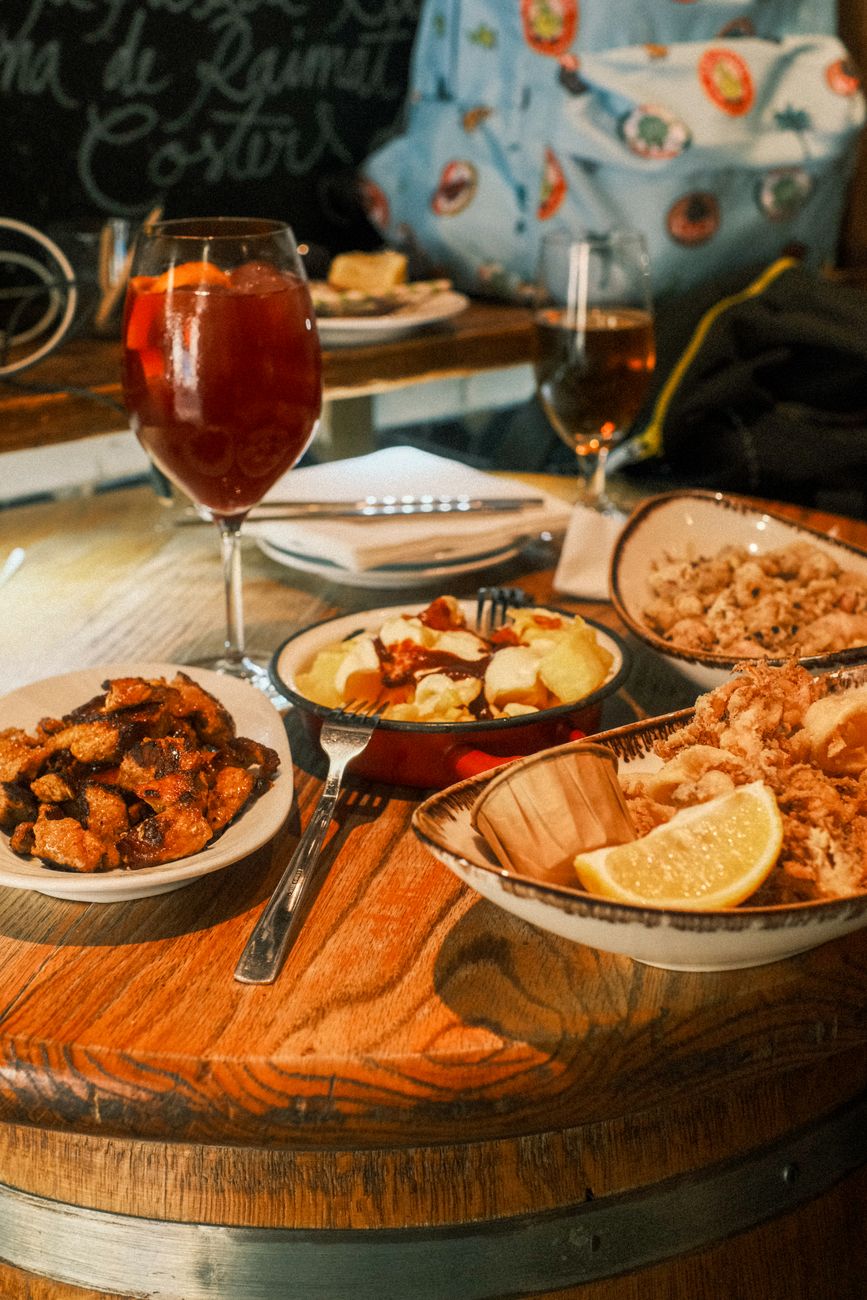
The culinary life of San Sebastián reaches its peak during the early evening txikiteo—the ritual migration from tavern to tavern in the Parte Vieja. Locals gather to savor a single specialty at each address: a freshly seared wild mushroom cap with egg yolk at one counter, followed by spider crab tartlets and salted Cantabrian anchovies at the next.
Editorial Tasting Recommendations
- Local Beverage: Txakoli, a crisp, slightly sparkling white wine poured from great heights into flat tumblers.
- Cider Houses: Visit Astigarraga during the winter txotx season to taste unpasteurized cider directly from giant chestnut barrels.
- Season: Autumn brings wild game, foraged porcini mushrooms, and sweet roasted Gernika peppers.
In San Sebastián, food is not merely leisure; it is an enduring covenant between seafaring communities, generational farmers, and the shared table.