Traversing the Limestone Spindles of the Dolomites
Dispatched on November 03, 2024 • By Mountain Correspondent for 111111
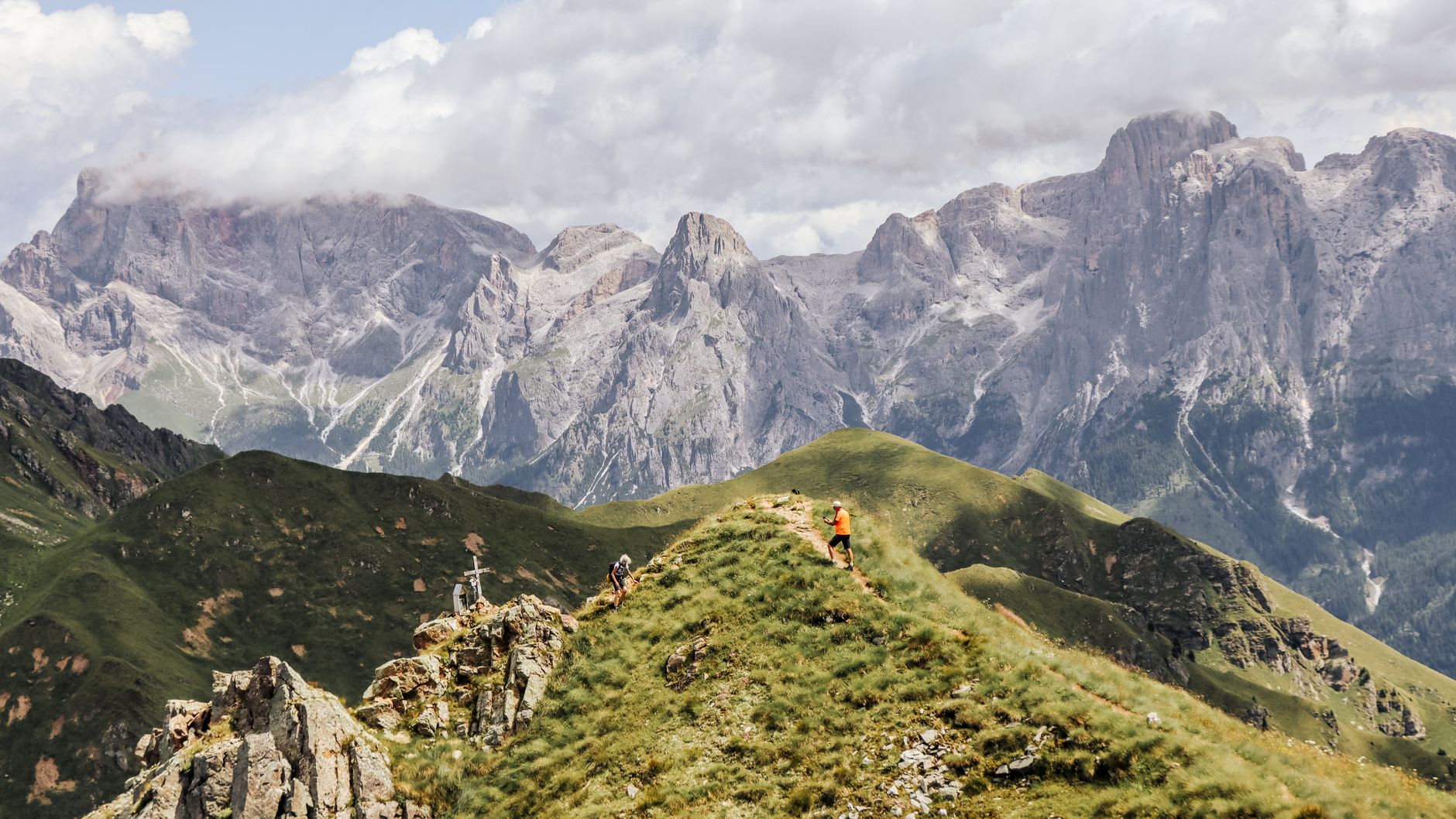
The Pale Mountains rise out of the South Tyrolean meadows with surreal theatricality. Composed of fossilized coral reefs from an ancient prehistoric sea, these limestone towers absorb the sunset light and glow in burning coral tones—a visual phenomenon known locally as enrosadira.
1. The High Sanctuary of the Rifugio
Walking the Alta Via paths reveals a distinct philosophy of mountain dwelling. Rather than conquering summits, the European hut-to-hut tradition honors hospitality at the edge of the sky. Rifugios perched above 2,500 meters serve polenta with wild foraged mushrooms, aged mountain cheeses, and dense rye breads baked in wood-fired ovens.
"At altitude, civilization sheds its unnecessary ornament. A warm bowl of barley soup and a blanket beneath timber rafters become the absolute definition of luxury."
2. Ladin Culture and Alpine Preservation
In the secluded valleys of Badia and Fassa, the Ladin language and woodcraft customs continue to thrive. Local carpenters fashion pine furniture that naturally regulates indoor humidity, while mountain farmers maintain high-altitude pastures that prevent soil erosion and encourage wild orchid varieties.
Expedition Checklist
- Seasonal Timing: Late September offers clear blue skies, golden larches, and tranquil uncrowded trails.
- Equipment: Sturdy leather boots with Vibram soles and windproof mountain shells are essential.
- Reservation Rules: Secure rifugio beds at least 4 to 6 months in advance for peak ridge routes.
Descending from the limestone ridges back to the valley pastures, one brings back not fatigue, but an expanded sense of human scale against geological deep time.